
In essence, flushable spunlace nonwoven is a high-performance material that combines the tensile strength of fabric with the dispersibility of toilet tissue. It serves as the definitive solution to the infrastructure challenges posed by traditional wet wipes, effectively preventing sewer blockages.
In the world of personal care, the demand for sustainable materials is skyrocketing. The Flushable Spunlace Nonwoven Fabric has emerged as a revolutionary solution, solving the "fatberg" crisis in city sewers while providing the convenience of traditional wipes.
But what exactly makes it "flushable"? Let's break down the science behind this eco-friendly material.
Traditional nonwovens (like those in standard baby wipes) often contain synthetic fibers like polyester (PET) or polypropylene (PP). These materials are durable but do not break down, leading to massive clogs in plumbing systems.
Flushable Spunlace Nonwoven is engineered from 100% cellulosic fibers (such as wood pulp, viscose, or Lyocell).
Mechanical Strength: It maintains high tensile strength when wet, ensuring it doesn't tear during use.
Dispersibility: Once flushed, the mechanical agitation of the sewer water breaks the fiber entanglement, allowing the fabric to disperse into tiny particles that safely pass through wastewater systems.
The "Spunlace" process, also known as Hydroentanglement, is the core technology behind this fabric:
Web Forming: Natural fibers are laid out in a uniform web.
High-Pressure Jets: Thousands of microscopic water jets strike the fiber web at high velocity.
Entanglement: The force of the water causes the fibers to knot and intertwine, creating a fabric-like structure without the need for chemical binders or glues.
Industry Insight: The secret to high-quality flushable wipes lies in balancing "Wet Strength" (for usage) and "Flushability" (for disposal).
| Feature | Standard Spunlace Nonwoven | Flushable Spunlace Nonwoven |
| Material Composition | Synthetic/Plastic blends (PET/PP) | 100% Plant-based Cellulose |
| Environmental Impact | Non-biodegradable; Microplastics | Fully Biodegradable & Compostable |
| Disposal Method | Trash Can Only | Toilet Flushable |
| Primary Use Cases | Household cleaning, industrial wipes | Flushable Wet Toilet Paper, feminine care |
Eco-Friendly & Sustainable: As a biodegradable nonwoven, it decomposes within months, making it a favorite for brands focusing on green hygiene products.
Enhanced Hygiene: When used in flushable wet wipes, it offers a superior clean compared to dry paper, reducing bacteria and odors in bathrooms.
Infrastructure Friendly: It meets global standards (like INDA/EDANA guidelines), ensuring it won't damage municipal pumping stations.
Not every wipe is safe for your pipes. To ensure you are buying a truly sustainable product, look for:
Flushable Certifications: Check for the "Flushable" logo and compliance with international testing standards.
Plastic-Free Labels: Ensure the product is labeled "100% Plastic-Free."
Smart Disposal: Even with the best flushable technology, it is recommended to flush only 1 or 2 wipes at a time to ensure smooth transit through older plumbing.
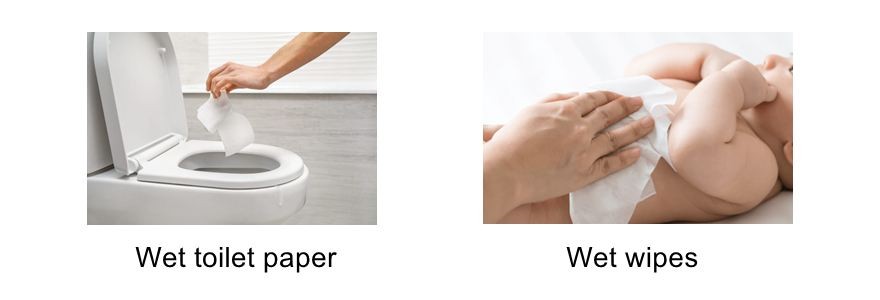
As global regulations on single-use plastics tighten, Flushable Spunlace Nonwoven is the gold standard for the future of the hygiene industry. It bridges the gap between convenience and environmental responsibility.
Would you like me to help you draft a product description or a marketing slogan for a brand using this specific material?