
The spunlace nonwoven process, also called hydroentanglement, involves several critical steps that distinguish it from other nonwoven technologies.
-Raw materials such as polyester, viscose, cotton, or blends are opened and cleaned.
-Fibers are carded to create a uniform web structure, often using viscose polyester nonwoven blends to balance cost and performance.
The carded fiber web is transported via conveyor belts.
Web weight typically ranges from 20 to 200 grams per square meter (gsm)—see our detailed spunlace nonwoven GSM guide for application-specific recommendations.
High-pressure water jets (200–400 bar) strike the fiber web, causing fibers to entangle and self-bond without thermal damage.
Multiple nozzle strips ensure uniform treatment across the fabric width, producing high-quality spunlace nonwoven roll goods.
The entangled fabric passes through industrial dryers.
Optional treatments include dyeing, printing, or functional finishes such as antibacterial coatings for medical applications.
When comparing spunlace vs spunbond nonwoven, the choice depends on your application requirements.
| Feature | Spunlace Nonwoven | Spunbond Nonwoven |
| Bonding Method | Hydroentanglement (water jets) | Thermal bonding (heat) |
| Softness | Superior softness and drapability | Generally stiffer |
| Strength | High fabric integrity and tear strength | Good tensile strength |
| Absorption | Excellent liquid absorption | Moderate absorption |
| Applications | Wet wipes, medical, cosmetics, flushable products | Hygiene products, packaging, geotextiles |
As a leading spunlace nonwoven supplier China, manufacturers offer a variety of fabric types to meet global demand:
-Viscose Spunlace: Excellent liquid absorption, soft texture—ideal for wet wipes and medical applications.
-Polyester Spunlace: High durability and dimensional stability—perfect for industrial wipes and filtration.
-Cotton Spunlace: 100% natural, biodegradable, and skin-friendly—used in eco-friendly nonwoven cosmetics and baby care.
-Blend Fabrics: Viscose/polyester blends (30/70, 50/50, 70/30) offer balanced performance and cost-effectiveness.
-Flushable Spunlace Nonwoven: Engineered with biodegradable fibers to disperse quickly in water, meeting modern sanitation standards.
Spunlace fabrics serve a wide range of industries, making them a top choice when you need custom spunlace nonwoven OEM solutions.
-Baby wipes, makeup remover wipes
-Sanitary napkins and adult incontinence products
-Biodegradable wet wipes material is increasingly preferred by eco-conscious brands
-Surgical drapes and gowns
-Wound care dressings
-Disinfectant wipes
-Manufacturing cleaning wipes
-Oil absorption wipes
-Electronics cleaning wipes
-Air filters
-Liquid filtration media
-Mask filter layers
-Kitchen cleaning cloths
-Dusting cloths
When selecting a spunlace nonwoven fabric manufacturer, consider these factors to ensure quality and reliability:
-Quality Standards: Look for ISO 9001 certified manufacturers with consistent batch quality.
-Production Capacity: Verify minimum order quantities (MOQ), lead times, and scalability.
-Customization Options: Ensure the manufacturer offers flexible fiber composition, fabric weight, color, and functional finishes.
-Pricing and Terms: Compare unit pricing vs. volume discounts, payment terms, and shipping costs.
-Sample Requirements: Always request samples before bulk orders to verify application suitability.
Several factors influence spunlace fabric pricing:
-Raw material costs (natural vs. synthetic fibers)
-Fabric weight (higher GSM requires more fiber and processing)
-Fiber composition (e.g., biodegradable spunlace nonwoven may cost more than standard blends)
-Production volume (larger orders reduce per-unit costs)
-Customization and lead time
Reputable spunlace nonwoven factory operations provide:
-Physical property tests (tensile strength, elongation)
-Absorption rate testing
-Thickness measurements
-Safety certifications (OEKO-TEX, FDA compliance where applicable)
Sustainability is a key trend in sustainable nonwoven fabric 2026. Leading manufacturers now offer:
-Organic cotton and biodegradable viscose
-Recycled polyester (rPET)
-Water recycling systems in production
-Flushable spunlace nonwoven options for reduced environmental impact
-Increased use of biodegradable fibers
-Recycled content integration
-Reduced water and energy consumption
-Antibacterial and antiviral treatments
-Enhanced durability features
-Temperature-responsive materials
-Integration with IoT sensors
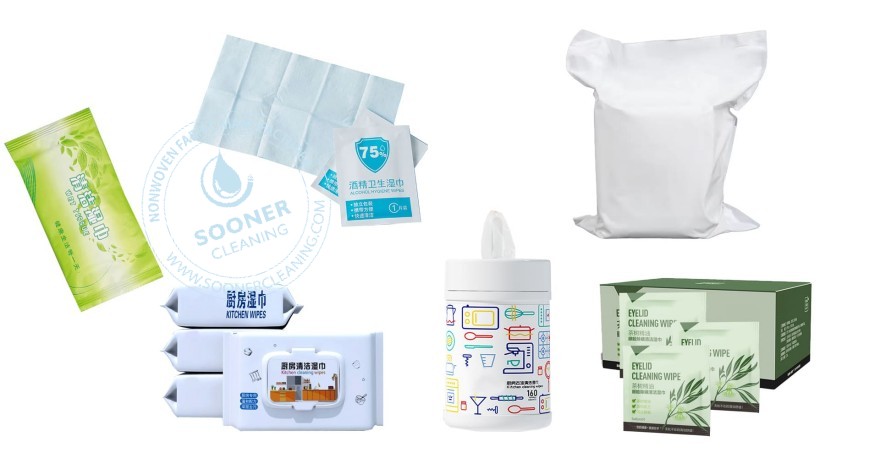
Whether you are sourcing spunlace nonwoven for wet wipes, medical products, or industrial applications, understanding the manufacturing process, material options, and sourcing criteria is essential. As a trusted spunlace nonwoven supplier China, manufacturers are now offering advanced custom spunlace nonwoven OEM services to meet global market needs. By choosing the right spunlace nonwoven fabric manufacturer, you can ensure product performance, sustainability, and cost-effectiveness.
For businesses asking how to choose nonwoven for wet wipes, the answer lies in evaluating GSM, fiber composition, and functional requirements. With innovations in biodegradable wet wipes material and eco-friendly nonwoven cosmetics, spunlace technology continues to evolve as the preferred choice for high-quality, sustainable nonwoven solutions.